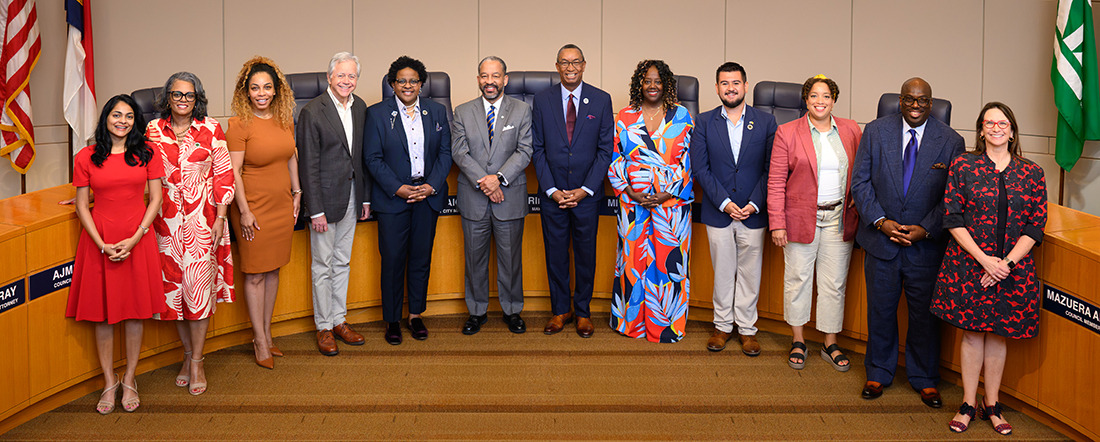
Charlotte expanded street-vending restrictions citywide in an 8-1 vote Monday, Nov. 9, according to WBTV.
The measure addresses sales on public streets and sidewalks, with exceptions and a process for establishing permitted marketplaces. It should not be described as a prohibition on every vendor operating anywhere in Charlotte.
The city’s Peddlers Ordinance agenda item explains the proposed expansion beyond the congested business district, which covers most of Uptown. It also describes a marketplace program that city staff could operate directly or delegate to nonprofit organizations.
The agenda identifies an existing civil penalty of up to $500. Its proposed criminal provision would apply to a third violation within 30 days involving sales other than food.
The final criminal-penalty language remains unclear from the available records. WSOC-TV reported that council removed criminal penalties, while WBTV described a misdemeanor option.
The city’s legislation page still displays no final action or voting history. Its prepared proposal therefore does not establish which penalty provisions council ultimately adopted.
For vendors seeking an established location, the city’s Street Vendor Programs page explains how to apply to the Tryon Street program through Charlotte Center City Partners.
The published charges are a $35 nonrefundable application fee and, for accepted applicants, a $350 annual permit fee. Those amounts apply to the Tryon Street program; the page does not identify them as fees for the proposed citywide marketplaces.
The application materials include a photograph of the cart or vending unit, a health permit or inspection report, a menu and proof of general liability insurance. The insurance certificate must identify the city as an additional insured and certificate holder.
Charlotte Center City Partners’ public realm program page identifies vending locations along Tryon Street and the 100 blocks of Trade Street. Prospective applicants are directed to Tryon Street Mall Manager Isaiah Turner for program information.
The city’s agenda traces the ordinance review to an April 28, 2025, referral. On June 1, 2026, the Safety Committee unanimously recommended considering citywide restrictions. A separate recommendation for a criminal-penalty option passed 4-1, showing that the geographic expansion and criminal enforcement were distinct questions during committee review.