Charlotte's search for a new police license plate reader system closed for bids Monday, Oct. 5. Days earlier, a federal judge ruled that warrantless searches of the same technology violate the Fourth Amendment.
The City of Charlotte published a Request for Proposals on Sept. 9 to replace the automated license plate reader (ALPR) system the Charlotte-Mecklenburg Police Department has used since 2006, according to WSOC-TV. A city spokesperson said the department "initiated a competitive procurement process to ensure the next platform meets modern public safety capabilities."
The legal question hanging over that process came Thursday, Oct. 1, from an Oklahoma courtroom. U.S. District Judge Sara E. Hill issued a 38-page ruling in United States v. Melisa Susan Kyle, finding that a Tulsa County deputy conducted an unconstitutional search when he queried Flock Safety's ALPR network for a driver's location history without probable cause, the Journal Record reported.
Deputy Freddie Alaniz began following a Mazda SUV "for no apparent reason other than the fact it had a California license plate," according to the ruling. His Flock query returned more than 50 records showing where the vehicle had been detected across multiple states over roughly a month. Hill ordered prosecutors to exclude all evidence obtained after the search, including approximately 91 pounds of methamphetamine authorities alleged they found inside the SUV.
"Why is it the government's business where everyone goes all the time?" Hill wrote. "The government cannot go snooping through our personal lives and business without an adequate basis to do so."
Hill called the technology "indiscriminate mass surveillance." The ruling does not set binding precedent. The U.S. Court of Appeals for the Fifth Circuit reached the opposite conclusion in March in United States v. Porter, finding that license plate reader use in that case did not require a warrant. Several other federal cases are weighing the same question, according to 404 Media, which reported that audit logs show more than 100,000 warrantless Flock searches occur every month nationwide.
Flock Safety spokesperson Paris Lewbel said in a statement that the company expects the ruling to be appealed and overturned, calling it limited to the specific facts of the case.
What it means for Charlotte
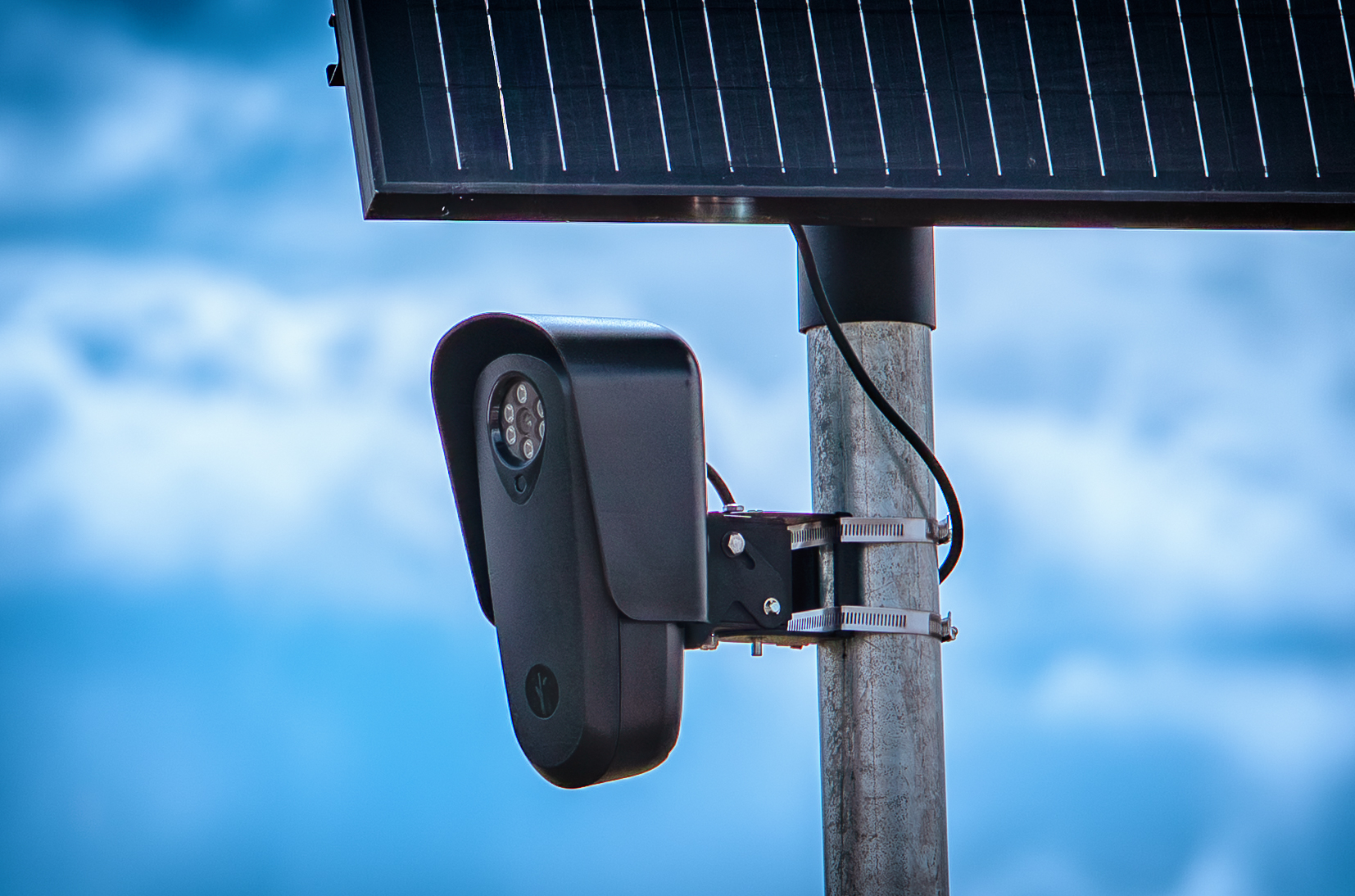
CMPD does not own or operate Flock cameras in Charlotte. The department has a memorandum of understanding that gives officers access to Flock cameras owned by other agencies. A CMPD officer was arrested after allegedly using the Flock database to check whether a person buying drugs from his friend in Boone was an undercover officer, the Charlotte Observer reported.
About two dozen residents gathered at Harding University High School on Sept. 29 to oppose the cameras. Charlotte privacy advocate Daniel Oria told WBTV the expansion was happening "without meaningful public input."
In North Carolina, the State Bureau of Investigation (SBI) recorded more than 152 million license plates through 140 roadside cameras during a statewide ALPR pilot program, Queen City News reported. That program became permanent in July.
No source has confirmed which vendors submitted bids by the Oct. 5 deadline, and the city has not announced a timeline for selecting a provider.