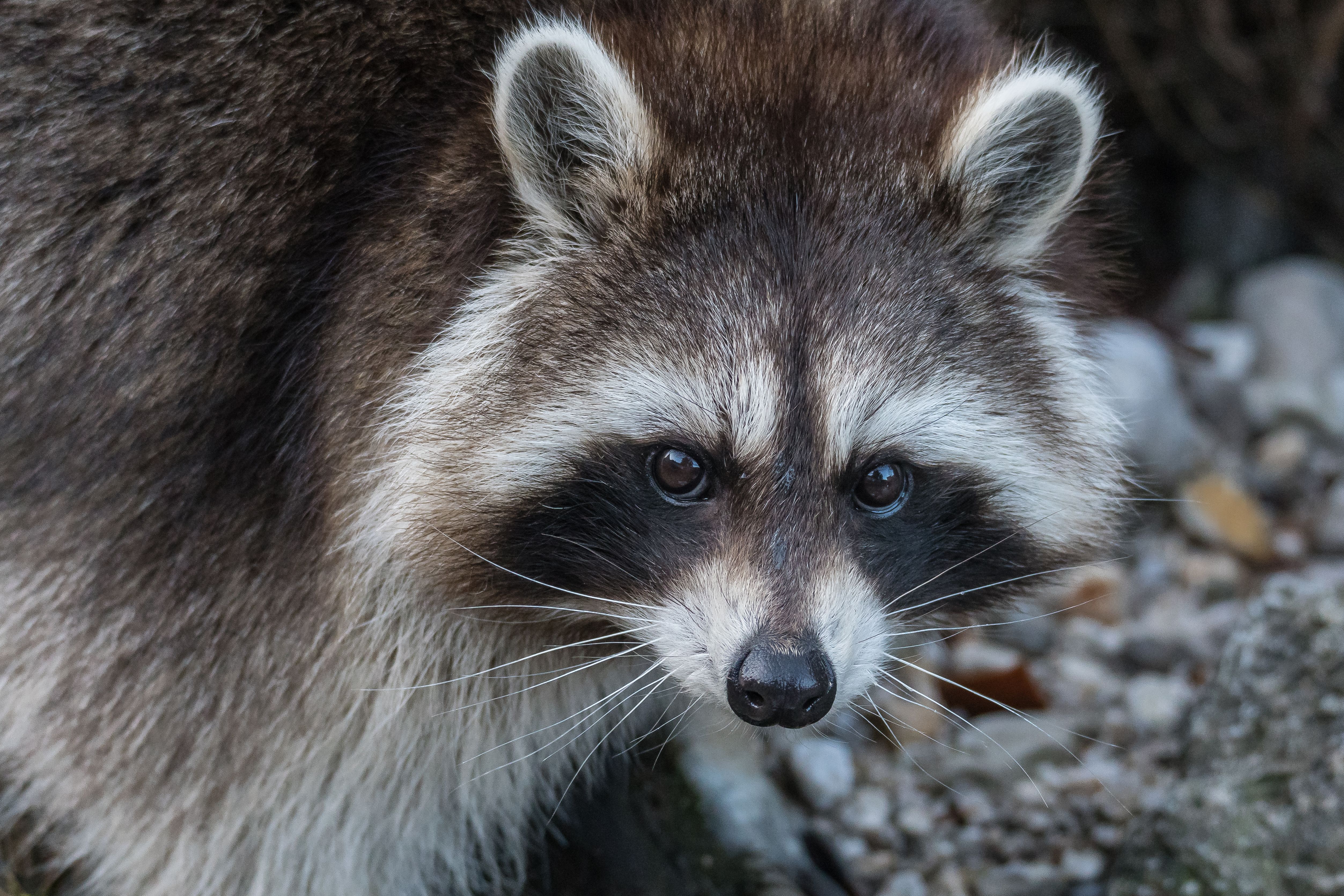
A raccoon near Darby Chase Drive in south Charlotte has tested positive for rabies, Mecklenburg County's 10th confirmed case of the year.
Charlotte-Mecklenburg Animal Care & Control said one domestic pet was exposed to the raccoon, WSOC-TV first reported Thursday, Oct. 22. No human exposures were reported.
A rabies alert notification is scheduled to go out to residents in the area at 7 p.m. Monday, Oct. 26, according to WSOC-TV. The county has not specified which streets or neighborhoods fall within the alert zone.
The species of the exposed pet was not identified.
How to protect pets
North Carolina law requires all dogs, cats and ferrets to be vaccinated against rabies by four months of age, according to Charlotte-Mecklenburg Animal Care & Control. A vaccinated pet that encounters a rabid animal cannot pass the disease to its family, the department said.
The department advises residents to:
- Never leave pets outdoors unsupervised, especially at night.
- Keep dogs leashed unless in a fenced yard with regular supervision.
- Keep cats indoors.
- Report stray or sick-acting wildlife to Animal Care & Control by calling 311.
If a pet does come in contact with a wild animal, the county's rabies guidance says owners should wear gloves before handling the pet, isolate it from other animals and children, and contact a veterinarian for a rabies booster immediately.
Anyone bitten or scratched by a wild animal should wash the area with soap and water right away and call a doctor, according to Mecklenburg County Public Health.
Rising case count
The 10 confirmed cases so far in 2026 are approaching the county's recent annual totals. Mecklenburg County recorded 11 cases in 2025 and 14 in 2024, according to WSOC-TV reporting in August. Raccoons, bats, foxes and skunks account for most positive tests statewide.
Ballantyne has seen rabies activity before. In late August, two people near the 14200 block of Ballantyne Lake Road were exposed to a rabid bat, according to the same WSOC-TV report. No pets were exposed in that incident.
In June, a rabid coyote in Huntersville exposed both a human and a pet, according to Mecklenburg County Public Health. That was the county's first confirmed rabies case in a coyote since 2018.
How to report
Residents who suspect a human exposure should call Mecklenburg County Communicable Disease at 980-314-9201. To report a stray or sick-acting animal, call 311.