Ballantyne-area high schoolers have been eligible to graduate in three years under a 2023 state policy that has drawn little public attention.
The provision, tucked into North Carolina's 2023 state budget, lowered graduation credit requirements to a maximum of 22 and created an accelerated three-year diploma pathway for public school students. The Assembly NC first reported on the policy's quiet rollout on Wednesday, Sept. 30. A scholarship program tied to the pathway is scheduled to launch in the 2027-28 academic year, backed by $1 million lawmakers appropriated in the most recent state budget.
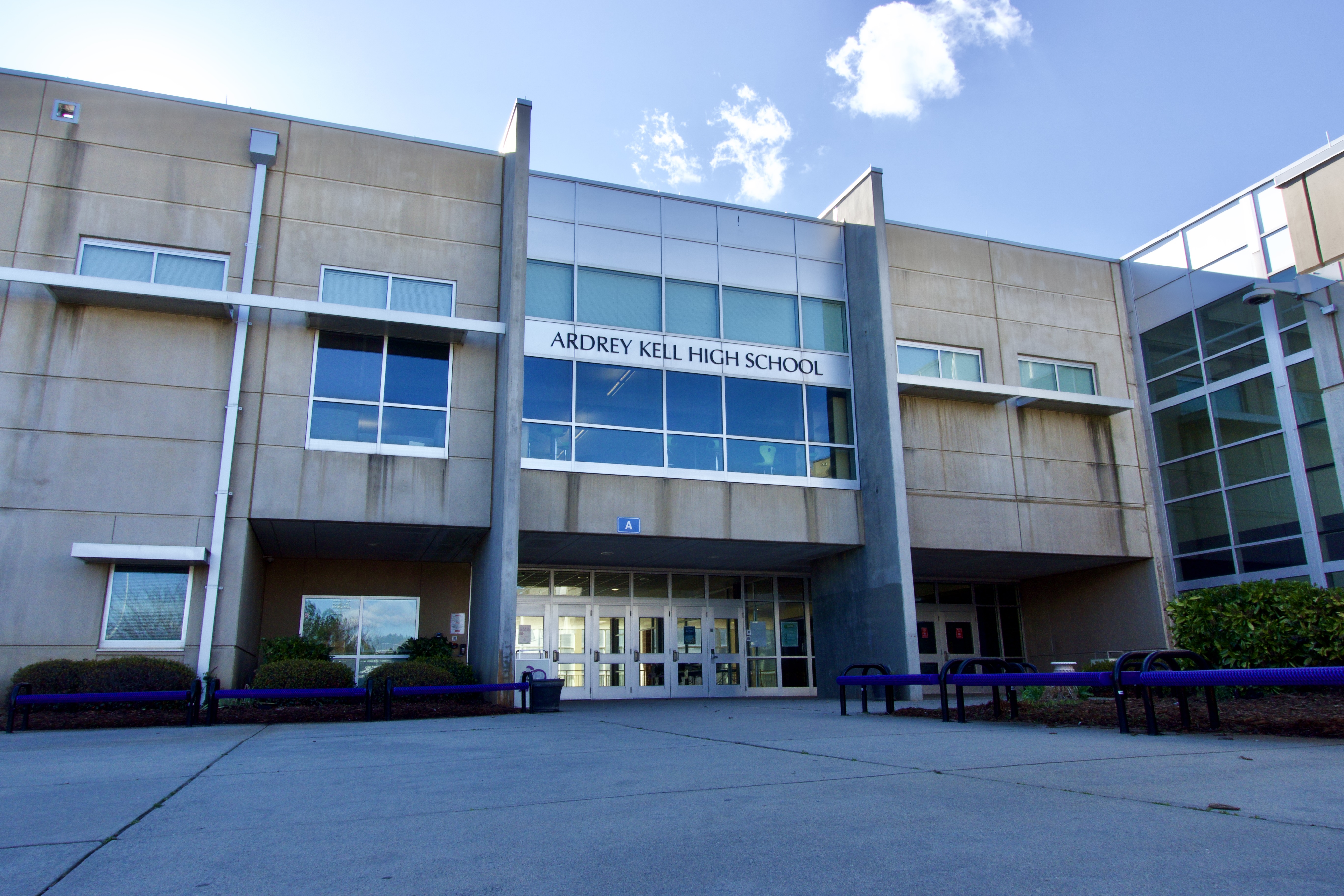
The policy applies to Charlotte-Mecklenburg Schools, including Ardrey Kell High School and Ballantyne Ridge High School. But how many local students have used it remains unclear. Statewide, just 346 students formally chose the three-year pathway during the most recent school year, according to a June report the North Carolina Department of Public Instruction (DPI) submitted to the General Assembly.
That number likely undercounts the real impact. DPI officials wrote in their 2025 report that districts could not tell apart students who intentionally chose the accelerated pathway from those who qualified to graduate early. The new 22-credit cap had lowered the bar from what some districts, including New Hanover County, previously required. Some schools had mandated as many as 28 credits.
Whether CMS previously required more than 22 credits at Ardrey Kell or Ballantyne Ridge is not specified in available records.
What families need to know
Before a student can opt in, a school counselor must meet with the student and their family, per State Board of Education policy. That meeting must cover what the student would give up: time for social and emotional development, career exploration, sports, free or reduced-price meals, mental health counseling and access to health clinics.
The student must also detail post-graduation plans. A student planning to enlist in the military, for example, must state when they are going to boot camp. The student, their parents, their counselor and their principal must all sign off.
Families also learn about dual-enrollment programs. These let students earn college credits or professional credentials while still in high school, with the district covering tuition and fees.
A debate over readiness
State Sen. Michael Lee, a Republican who sponsored the 2023 bill, told Charlotte public radio station WFAE in 2023 that the changes would let teens move faster into the workforce, the military or higher education. The policy grew partly from the experience of Lee's son Sam, who enlisted in the Navy after graduating from a New Hanover County high school in three and a half years.
Not everyone agrees the faster track is wise. New Hanover County Schools Superintendent Christopher Barnes told The Assembly NC that rushing students carries risks.
"If you accelerate kids and kick them out into the real world too early, it's just as bad as taking a cake out of the oven before it's done," Barnes said.
Robin Hamilton, chief academic officer for New Hanover County Schools, said the pathway has helped students with rare opportunities or urgent family needs. In each of the past two school years, 12% to 13% of New Hanover students graduated in three or three and a half years.
CMS has not released comparable figures for its schools.
North Carolina's four-year graduation rate reached a record 88.8% in 2025-26, according to the Department of Public Instruction. CMS hit 87.9%, also a record, the Charlotte Observer reported.
The $1 million scholarship program for early graduates is set to begin in the 2027-28 school year. Eligibility details and per-student award amounts have not been announced.