Ballantyne residents remain under mandatory Stage 2 water restrictions despite Hurricane Isaias dropping rain across North Carolina. Mecklenburg County received only 1.5 to 2.5 inches from the storm's remnants, the Charlotte Observer reported.
Charlotte remains classified as "abnormally dry," and the southeastern quarter of the county is still in a drought, according to drought maps cited by the Observer. The surrounding counties also remain abnormally dry, except Union County, which is in a Level One drought.
The heaviest rain fell in the wrong places. Burke County saw totals between 7.61 and 9.57 inches, but those areas were already unclassified on the drought map, the N.C. State Climate Office reported in a Thursday, Oct. 15 social media post, according to the Observer.
Charlotte Water's Stage 2 restrictions, in effect since May 15, have not changed.
"We're a lot better than we were, but we're certainly not completely out of the woods," Jimmy Bagley, chair of the Catawba-Wateree Drought Management Advisory Group, told Queen City News in August.
What the restrictions mean for residents
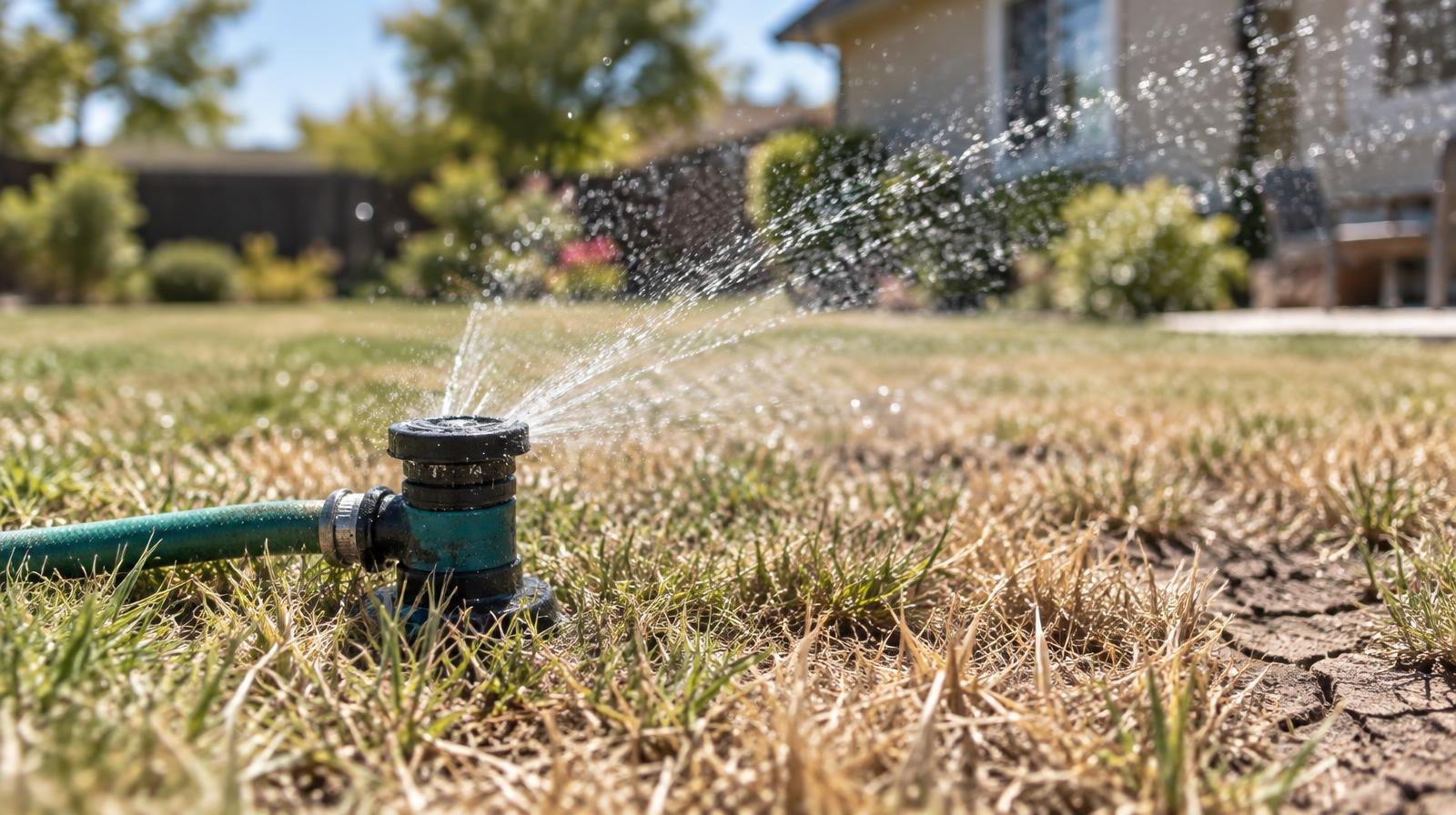
Outdoor watering is limited to 6 p.m. to 6 a.m. on assigned days, according to Charlotte Water's drought resources page. Odd-numbered addresses water on Tuesdays and Saturdays. Even-numbered addresses water on Wednesdays and Sundays.
Washing cars at home is prohibited. Only commercial car washes are allowed. Filling residential pools is also banned, though top-offs are permitted on Thursdays and Sundays between 6 p.m. and 6 a.m. Decorative fountains must be turned off unless they support aquatic life.
Charlotte Water will not approve variances for fall lawn maintenance, including aerating, overseeding or reseeding. Residents should postpone those activities if they cannot be completed within the current watering schedule.
Violation numbers keep rising
More than 2,000 violations had been reported to Charlotte Water as of Sept. 1, with about 340 people receiving formal violations, WCCB Charlotte reported. By Oct. 8, the agency's drought dashboard showed 2,597 violation reports and 3,381 total violations.
Fines start at $100 for a first violation and go up to $600 for a third, according to WCCB.
What it takes to end the drought
Charlotte Water evaluates three metrics with the Catawba-Wateree Drought Management Advisory Group before adjusting restrictions: lake levels, the three-month average U.S. Drought Monitor status and the six-month average streamflow, according to the Charlotte Water blog. The six-month streamflow trigger still shows drought conditions, Charlotte Water said.
The last time Charlotte Water imposed mandatory restrictions before this year was 2007 to 2009. The agency said it will notify customers when conditions improve enough to lift restrictions.