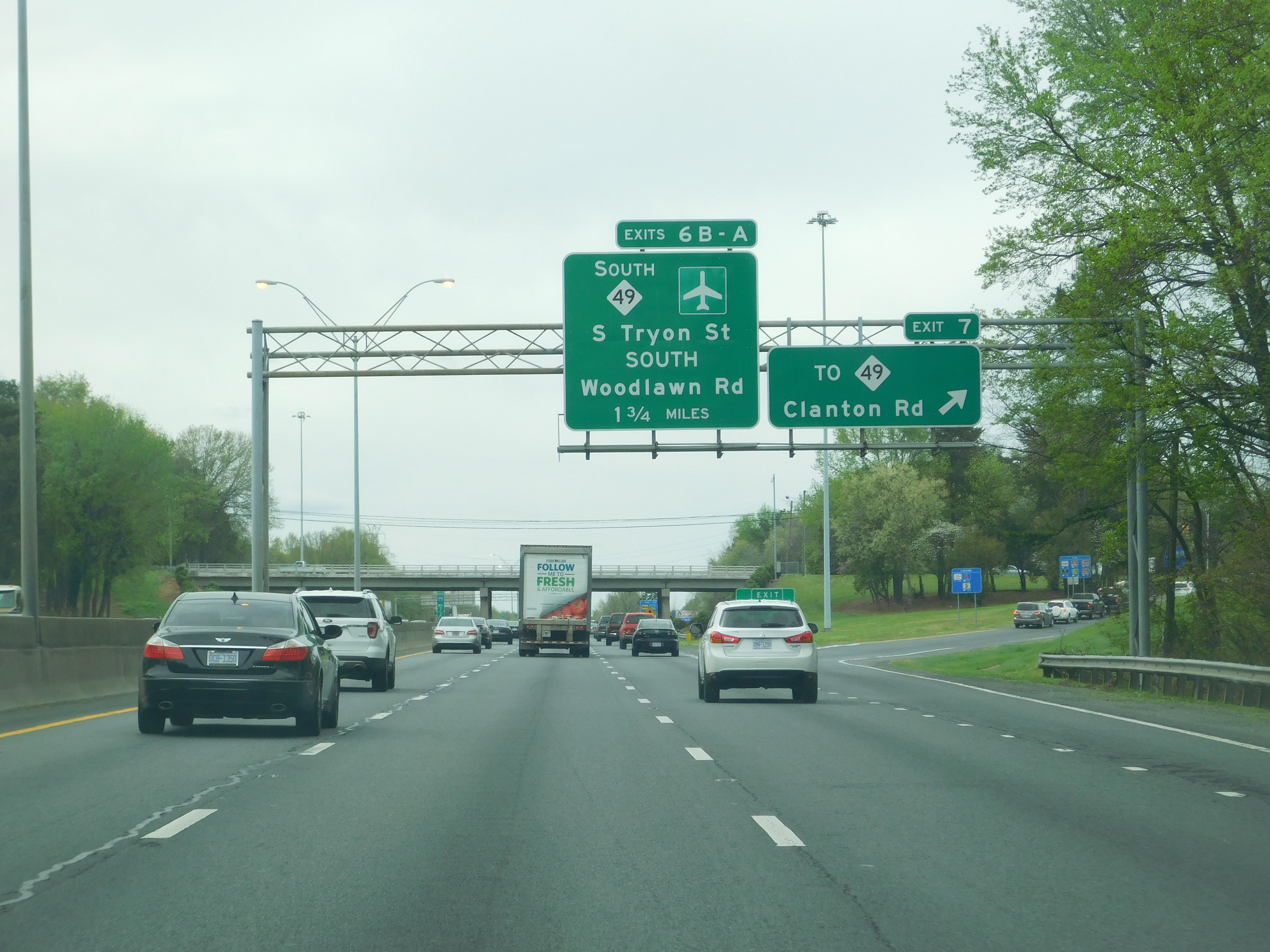
The Charlotte Regional Transportation Planning Organization (CRTPO) voted 64-5 on Wednesday, Sept. 23, to revive the $4.3 billion I-77 South toll lane project, clearing the way for construction through Ballantyne to the South Carolina state line.
The project would add two toll lanes in each direction along 11 miles of I-77 from uptown Charlotte southward. WFAE reported it is the most expensive highway project in North Carolina history.
Matthews and Mecklenburg County cast the only dissenting votes. Every other community that opposed the project in May reversed course to avoid a state reimbursement penalty that WFAE pegged at $69.5 million, according to Spectrum News 1.
Davidson voted yes but called it a vote "under duress," with lengthy criticism of the project's merits, WCNC reported.
Two mayors walked away from the board after the vote. Matthews Mayor John Higdon and Davidson Mayor Rusty Knox, who served as CRTPO vice chair, announced they will resign from the organization.
"These toll lanes do not meaningfully address congestion, our No. 1 concern," Higdon said at the meeting. "We are being asked to sacrifice neighborhoods, accept state interference and set a dangerous statewide precedent."
Charlotte's flip sealed the outcome
Charlotte City Council voted 7-4 on Tuesday, Sept. 22, to reinstate support for the project.
Charlotte controls 31 of the CRTPO's 74 weighted votes. Once the city flipped, the regional outcome was all but decided.
Council members Malcolm Graham and Joi Mayo reversed their earlier opposition. Graham pointed to a binding agreement on $300 million in community benefits that the city and the N.C. Department of Transportation (NCDOT) finalized Sept. 22. He told The Charlotte Ledger the shift came down to choosing negotiation over continued resistance.
The benefits package includes $150 million for a concrete cap over part of the highway near uptown, $50 million for a new recreation center in the Steele Creek area and $20 million to nonprofits to build grocery stores on West Boulevard and Statesville Avenue.
Not everyone trusts the deal. Mecklenburg County Commissioner Leah Altman said she does not believe the agreement is "airtight," telling WCCB, "I can see a way out if it becomes inconvenient or difficult for DOT."
What forced the reversal
The CRTPO killed the project in May after community opposition over displacement in west Charlotte and environmental concerns. The North Carolina General Assembly responded by passing legislation requiring municipalities that voted no to repay nearly $70 million in design costs to NCDOT. Charlotte estimated its share alone at $59 million to $69 million, a hit that could have forced a property tax increase.
As we reported Wednesday, Sept. 23, the reimbursement threat pushed communities across the region to reconsider.
What comes next
The CRTPO vote clears the project for environmental analyses, community meetings and formal proposals from developers. The new lanes are projected to open next decade. WFAE noted a third-party lawsuit remains possible, citing the Southern Environmental Law Center's challenges to other highway projects in the region.
No date has been announced for the next round of public meetings on the project.