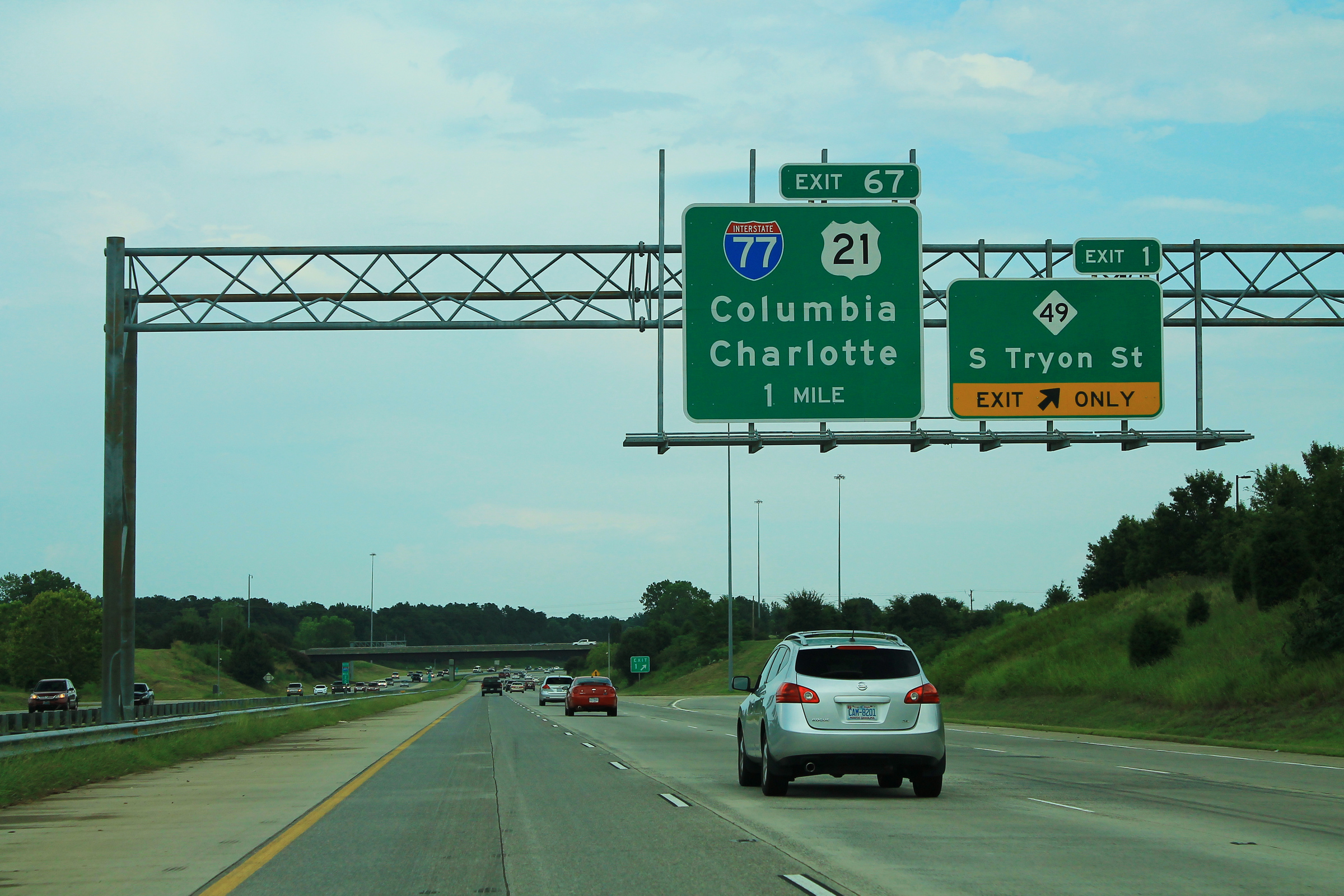
Charlotte City Council will vote Monday, Sept. 21, on whether to reverse its opposition to the I-77 South toll lane project, a decision that could stick Ballantyne-area taxpayers with a share of up to $69 million in state penalties.
The council voted 6-5 in May to pull support for the express lanes, which would run from Uptown Charlotte to the South Carolina state line. The North Carolina General Assembly responded by passing a state budget provision requiring municipalities that withdrew support to repay money the North Carolina Department of Transportation (NCDOT) has already spent on the project.
NCDOT says it has invested more than $69 million since 2018. Charlotte's share of the repayment could range from $59 million to $69 million, according to Matt Hastedt, Charlotte's chief financial officer, the Charlotte Observer reported.
The state set an Oct. 5 deadline. Local governments must reinstate support or face the penalty.
What it means for property taxes
If Charlotte has to pay, the hit would be lasting. Hastedt told council members during a Sept. 15 briefing that the city would need to raise property taxes by about 0.1 penny starting with the fiscal year 2028 budget, Spectrum News reported.
"We either have to raise revenue or cut expenses going forward," Hastedt said. "It would require us to raise property taxes in perpetuity, starting with the FY 2028 budget, approximately 0.1 penny."
City staff also said programs could be cut and the city's affordable housing bond package could shrink. Staff floated the possibility of issuing a bond to cover the penalty, WCCB Charlotte reported.
Swing votes and a divided council
The council appears likely to reverse course, but two key swing votes remained undecided as of Sept. 14. District 2 Councilmember Malcolm Graham and Councilmember Joi Mayo both voted to rescind support in May. Both spoke at length about the risks of maintaining opposition but had not committed to switching.
Graham called the state's repayment requirement "unconstitutional and an affront to due process" but added that suing the state "makes no sense, either," according to the Observer.
District 7 Councilmember Ed Driggs, who represents the Ballantyne area and chairs the council's transportation committee, supports the toll lanes. Driggs said during the Sept. 15 briefing that the need to address the corridor is critical and the opportunity for communities along it is substantial.
District 4 Councilmember Renée Johnson remains opposed. She told WCCB on Sept. 15 that she has not heard support for the project from anyone outside the business community.
What happens after Monday
Charlotte holds 31 of 74 weighted votes on the Charlotte Regional Transportation Planning Organization (CRTPO) board. If the council reinstates support, the project would almost certainly clear the CRTPO's Sept. 23 vote. A simple majority of members present is required to pass a measure, WCNC reported.
Cornelius, Huntersville and Monroe have already switched their votes to support the project, WFAE reported. Mecklenburg County commissioners remain opposed. Davidson, which holds one weighted vote, plans to vote on its position at its Sept. 22 meeting.
City Attorney Andera Leslie-Fite said the city is pursuing "all available legal remedies" to challenge the state budget provision, but some council members worry that legal action could provoke further action from the General Assembly.
Monday's meeting includes a public hearing before the vote.