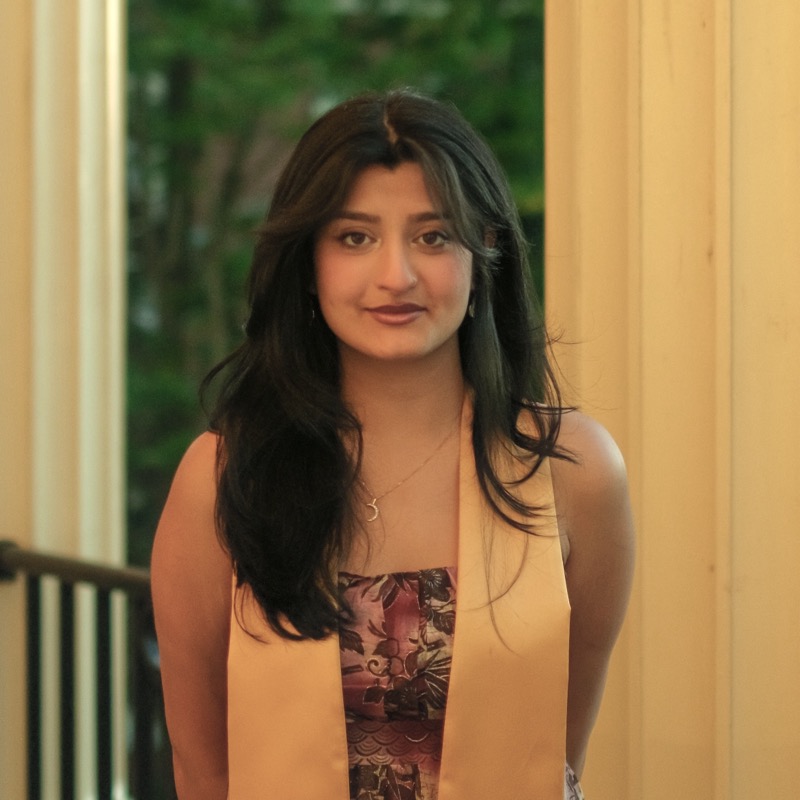
Harmoni Moorer, a 16-year-old Sugar Creek High School student, told Charlotte City Council on Monday, Sept. 28, that its new curfew lacks key protections for teenagers.
Moorer presented a five-part youth protection plan at the same meeting where council members voted 9-2 to approve a stricter 10 p.m. curfew for everyone under 18, WBTV reported. She pitched the plan directly to Charlotte-Mecklenburg Police Department (CMPD) Chief Estella Patterson.
The pilot program takes effect Nov. 1 and runs through Aug. 31, 2027. For Ballantyne families with older teens, the change is direct: 16- and 17-year-olds were previously exempt from any curfew, according to the Charlotte Observer. Under the old ordinance, children 12 and under had a 10 p.m. curfew and teens 13 through 15 had an 11 p.m. curfew.
What Moorer proposed
Moorer organized her plan into three stages. Stage one, "Protect and Inform," calls for a safety pathway covering how officers approach minors, a family reunification process, transportation home and follow-up. It also includes a "Know Your Rights" component so teens understand they can decline consent and request an advocate.
Stage two, "Measure and Account," asks CMPD to collect public encounter data, conduct disparity reviews and take corrective action. It also calls for law enforcement accountability measures: external complaint reviews outside internal affairs, mandatory body-camera coverage, evidence preservation and anti-retaliation protections.
Stage three, "Verify and Authorize," would require the city to confirm legal review, funding, staffing, training and oversight before enforcement begins.
What Moorer says was left out
Moorer said several of her proposals were excluded from the final ordinance.
"They took out the Law Enforcement Accountability including the complaint review outside of internal affairs, body camera coverage, evidence preservation and anti-retaliation," Moorer told WBTV. "The Know Your Rights and CMPD Youth and Racial Equity too."
No city official has publicly responded to Moorer's specific proposals. The city has not confirmed which elements of her plan, if any, were incorporated.
How CMPD says it will enforce the curfew
As we reported Oct. 2, Patterson said CMPD will focus on large groups of unaccompanied minors, not individuals. Officers will not make traffic stops based solely on suspicion of a curfew violation, according to WFAE.
Patterson said in an Oct. 1 WFAE interview that the department's goal is to call parents and educate teens, with citations as a last resort.
Councilwoman Dimple Ajmera asked CMPD to break enforcement data out by demographics to ensure no unintended disparities, the Observer reported. Councilwoman Renee Perkins Johnson, one of two "no" votes, wanted CMPD to change its internal traffic-stop policy before council changed the curfew.
CMPD Deputy Chief Jacquelyn Bryley told council that between July 1, 2025, and June 30, 2026, there were 431 juvenile victims of violent crime between 9 p.m. and 6 a.m., according to the Charlotte Weekly. Of those, 127 were ages 16 and 17. About 393 were Black or Hispanic, and roughly 68% of cases involved gun-related assaults.
Moorer is calling on council members to do more outreach to youth in neighborhoods and schools. Patterson's first quarterly update to council has not been scheduled.