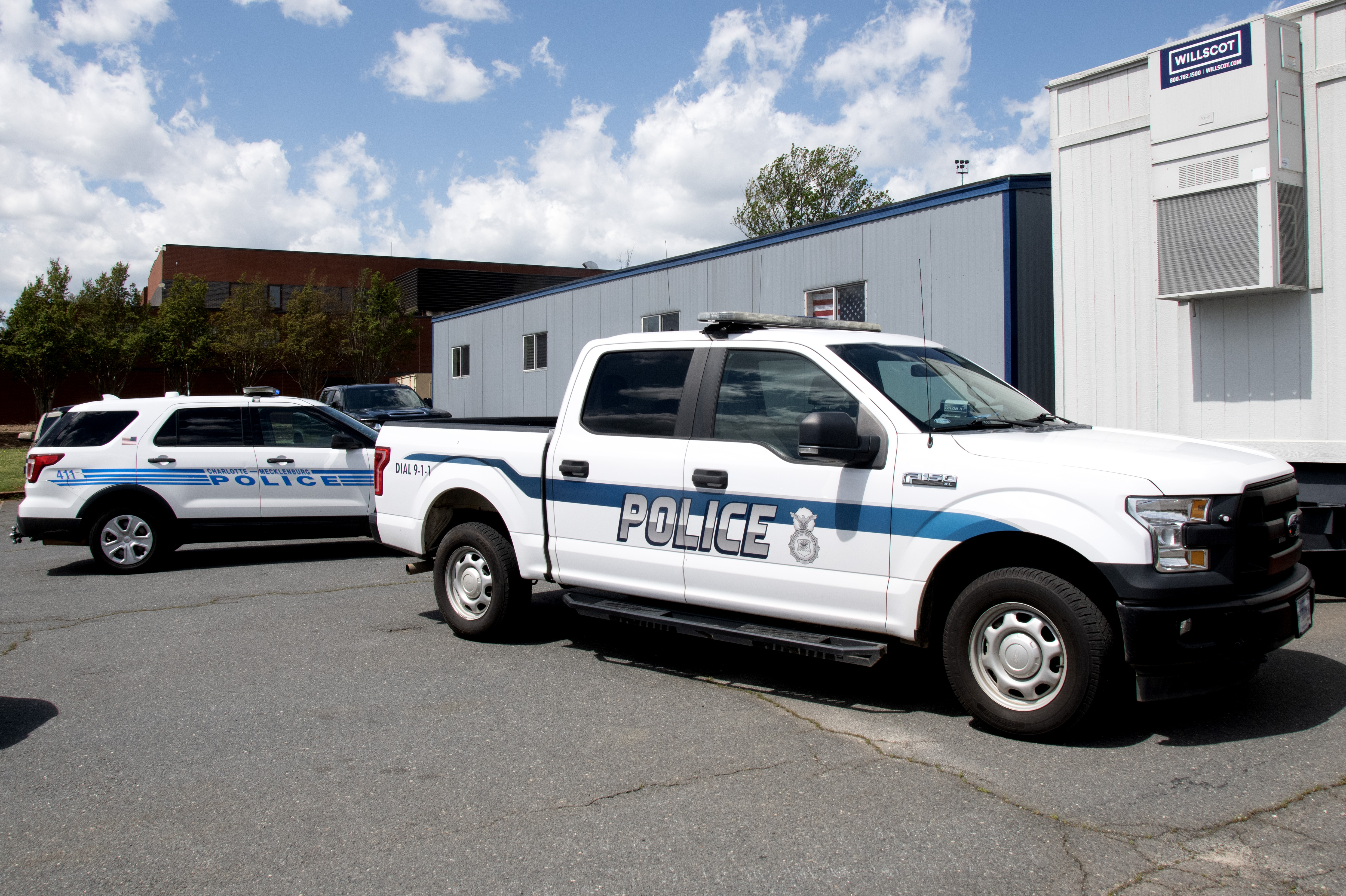
Charlotte-Mecklenburg Police Department (CMPD) Chief Estella Patterson says officers enforcing the city's new youth curfew will focus on large groups of unaccompanied minors, not individual teenagers walking alone.
Patterson told WFAE on Thursday, Oct. 1, that calling parents will be the first step when officers encounter teens violating the curfew. Citations are a last resort, reserved for situations where teens are also engaged in criminal behavior.
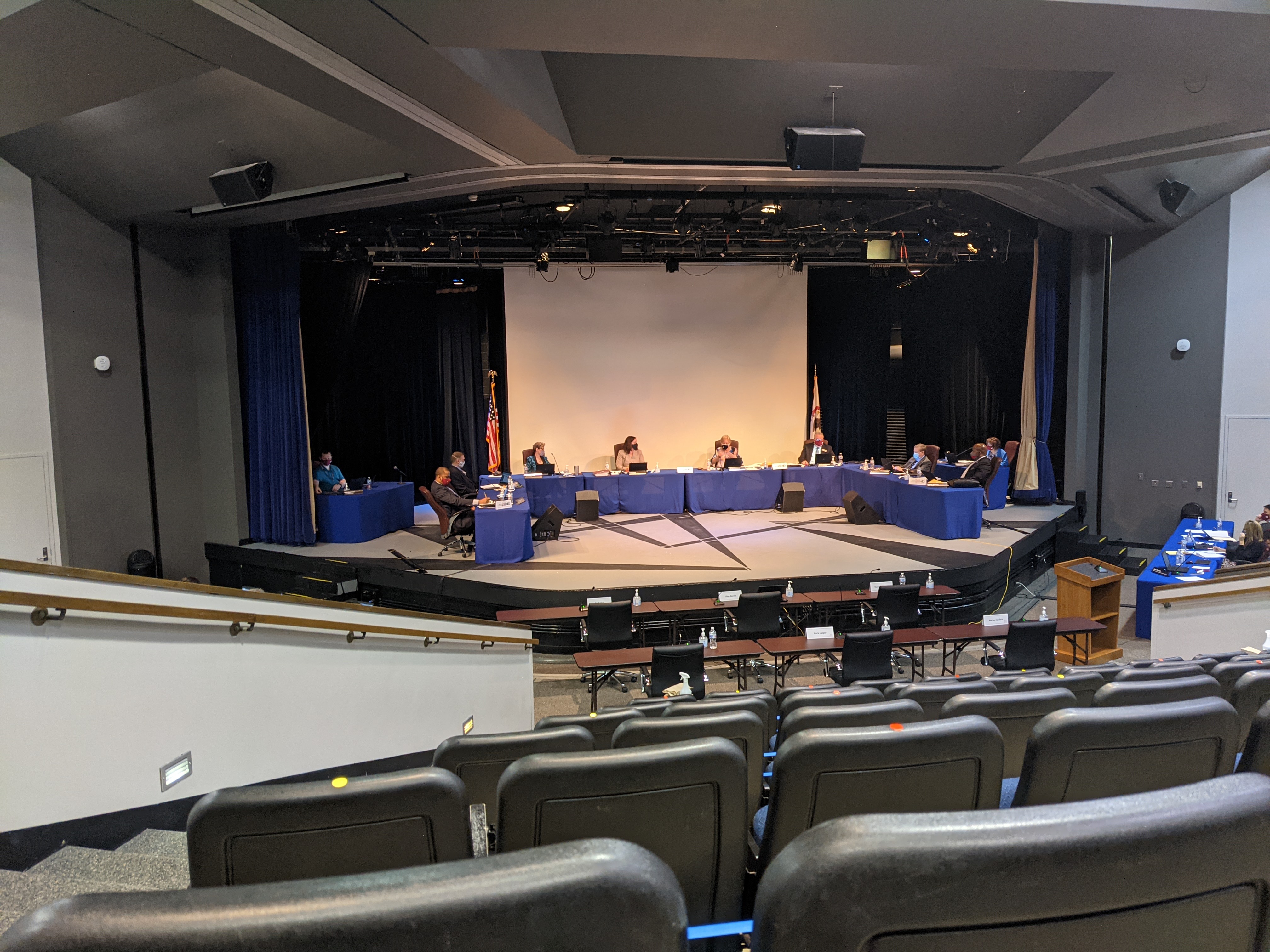
"I do not want to see any teenager end up in prison, jail, because of a curfew violation," Patterson told council members at the Sept. 28 meeting where the pilot was approved. "That is not the intent of what we are trying to do here."
The pilot takes effect Sunday, Nov. 1, and runs through Aug. 31, 2027. Anyone younger than 18 must not be in public spaces between 10 p.m. and 6 a.m., seven days a week. Charlotte City Council approved the rules Sept. 28 by a 9-2 vote.
October is designated as an education month. CMPD plans to make sure teenagers and parents know the new rules before enforcement begins, according to WSOC.
Patterson also told WFAE that officers will not make traffic stops based solely on suspicion that someone is violating the curfew.
What changed from the old rules
Charlotte's previous curfew, in place since 1995, set different times by age group. Children 12 and under had a 10 p.m. cutoff, teens 13 through 15 had 11 p.m., and 16- and 17-year-olds had no curfew at all. Patterson said officers struggled to enforce those tiers because many young people do not carry ID.
"What we were finding is, if you stop someone that looks like they're 10 or 11 years old, they're going to tell you they're 16 …" she told WFAE.
Exceptions and penalties
Teens can still be out after 10 p.m. if they are traveling to or from work, school, sporting events or religious activities. Running an errand for a parent, being accompanied by a parent or guardian, and exercising First Amendment rights, including peaceful protest, are also exceptions.
A parent whose child violates the curfew can face a Class 3 misdemeanor charge carrying a fine of up to $500, according to Spectrum News.
How CMPD will measure success
CMPD plans quarterly reviews of the pilot. The metrics include the number of teen crime victims, crimes committed by teens, and the number and severity of teen takeover events, Patterson told the Charlotte Observer. At-large Councilwoman Dimple Ajmera asked CMPD to break enforcement data out by demographics to check for unintended disparities.
The two council members who voted no, Councilwomen LaWana Mayfield and Renee Perkins Johnson, cited concerns about police oversight and the need for more data on why the existing curfew was not working.
Local context
The curfew debate gained urgency in Ballantyne after a violent teen assault was captured on video at Blakeney Town Center in September. CMPD investigated the incident as an assault. Justin Ashley, a teacher at Community House Middle School, told Queen City News on Sept. 9 that it felt "like the beginning of the teen takeovers that we've seen happen in other areas."
Citywide, CMPD tracked 15 teen takeover incidents in 2026, according to WSOC. One at Romare Bearden Park involved about 200 people and led to two dozen teenagers being taken into custody.
Enforcement begins Nov. 1 after the October education period. No specific dates for CMPD's first quarterly review have been announced.