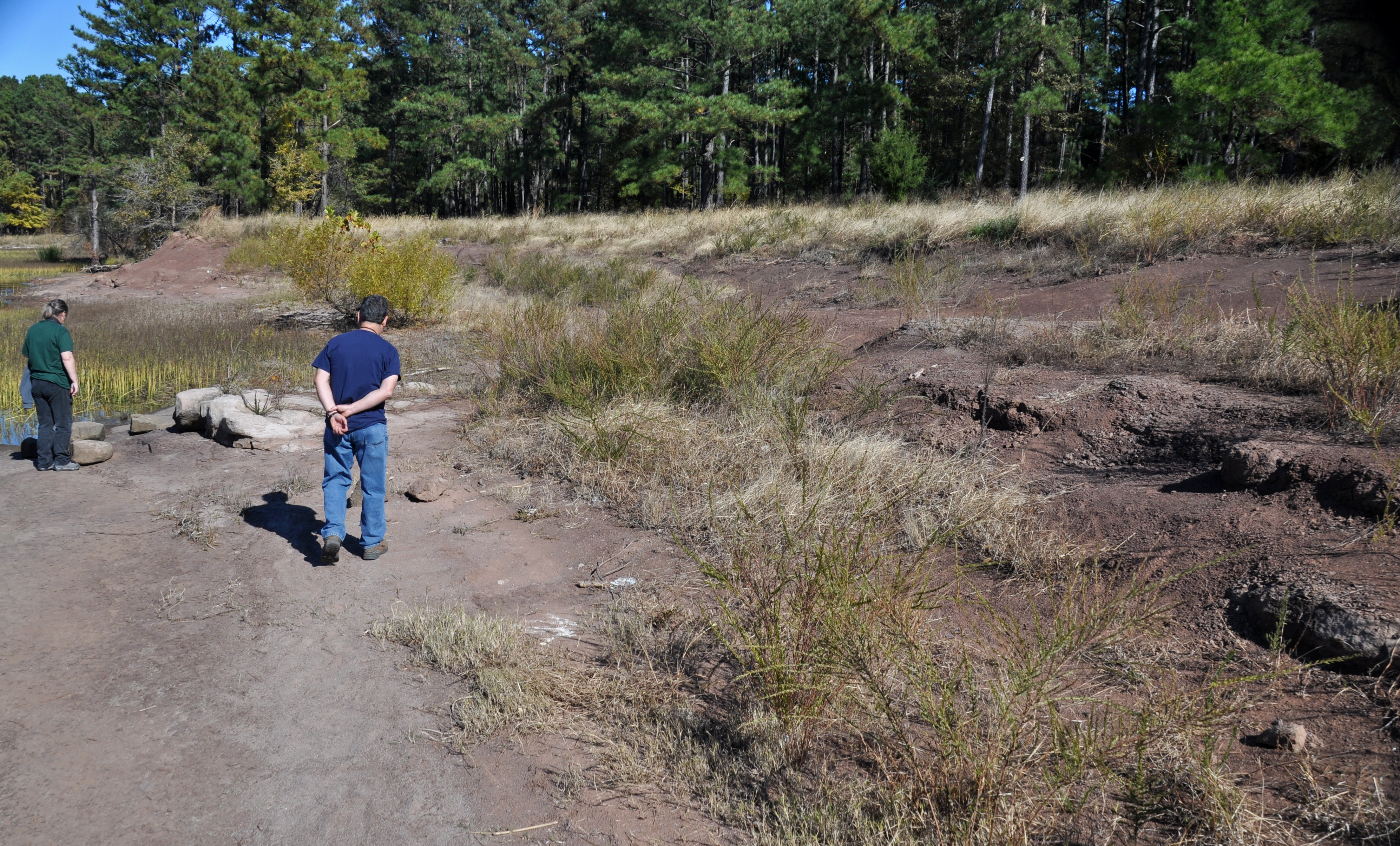
Most of Mecklenburg County, including Ballantyne, is back in drought territory after a dry September that set records in parts of the state.
The U.S. Drought Monitor report released Thursday, Oct. 1, classified the majority of the county as Abnormally Dry, the first stage of drought, Queen City News reported. Neighboring Union, Stanly, Anson and most of Richmond counties landed one level worse at Moderate Drought.
Sixty counties statewide are in drought.
Lake levels tell the story locally. Lake Norman sat at 97.5 feet Thursday, one inch below its target level based on a 100-foot full-pond baseline, according to Queen City News. Lake Wylie and Lake Hickory were each half a foot below their 97.5-foot targets.
A quiet hurricane season
A quiet 2026 hurricane season is a major factor. September is typically North Carolina's wettest month because of tropical activity, but this year storms stayed away.
"Areas along the coast experienced their first or second driest September on record, the result of a prevailing drier than normal weather pattern and limited storm activity in the Atlantic Basin," Klaus Albertin, chair of the North Carolina Drought Management Advisory Council, told Queen City News.
Much of the Charlotte area had been under Severe Drought over the summer. Frequent rainfall in late July and August improved conditions, but a dry September set the region back, according to Queen City News.
Stage 2 restrictions still in effect
Charlotte Water's Stage 2 mandatory conservation rules remain in place, according to the city's drought update page. The agency said the dry spell affecting the Catawba-Wateree River Basin has persisted since last fall.
Under Stage 2 rules, outdoor watering is limited to overnight hours between 6 p.m. and 6 a.m. on assigned days. Odd-numbered addresses water on Tuesdays and Saturdays. Even-numbered addresses water on Wednesdays and Sundays. Home car washing is prohibited, and residential pool filling is banned except for top-offs on Thursdays and Sundays during overnight hours.
Charlotte Water evaluates three metrics to guide its drought response: lake levels, the three-month average U.S. Drought Monitor status and six-month average streamflow. The six-month streamflow still reflects the long dry spell, according to the agency's blog.
As of Sept. 1, more than 2,000 violations had been reported to Charlotte Water and nearly 340 people had received violations, WCCB Charlotte reported on Sept. 10. First-violation fines start at $100 and climb to $600 for a third offense.
What Ballantyne residents should do
Residents served by Charlotte Water should follow the Stage 2 watering schedule and can monitor statewide drought conditions at ncdrought.org. Those on private wells or other water systems should check with their provider for any restrictions in effect.