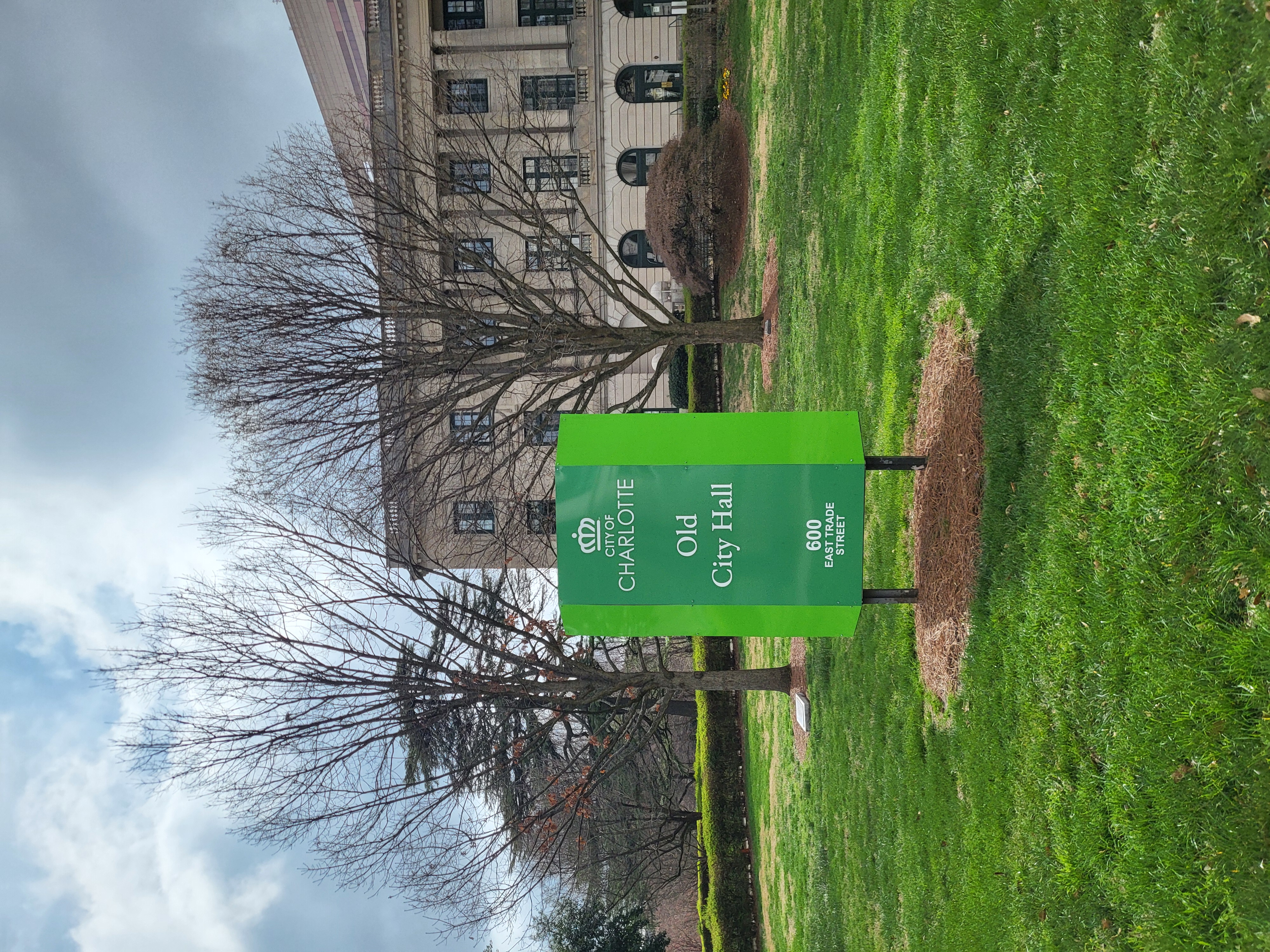
Charlotte residents will vote on a $425 million bond package for housing, neighborhood improvement and transportation on Tuesday, Nov. 3.
The bond is one of four referendum questions Ballantyne voters will face alongside their candidate races. Three proposed state constitutional amendments will also appear on the ballot, including one that would require the legislature to cap local property tax levies.
The Charlotte City Council voted unanimously on June 8 to place the bond referendum before voters, according to council records. The city has not published a breakdown of how the $425 million splits among the three categories.
Three constitutional amendments
The North Carolina General Assembly is sending three proposed amendments to voters statewide.
Photo ID for all voters. State law already requires photo identification for in-person voting. The amendment would extend that requirement to mail-in voters and enshrine it in the state Constitution.
Income tax cap at 3.5%. The amendment would permanently bar lawmakers from raising the personal income tax rate above 3.5%. The rate has dropped from 7% in 2010 to 4% now, with a scheduled cut to 3.5% in 2027. Reversing the cap would require a new constitutional amendment, needing three-fifths support in both legislative chambers and a majority of voters.
State Sen. Lisa Barnes, R-Nash, a sponsor of the measure, said in a press release that the amendment gives citizens more say in how tax rates are set.
Property tax levy limit. The amendment would direct the legislature to pass laws limiting how much local governments can increase property tax levies. It does not specify what the cap would be or what exceptions would apply.
The specifics matter. An August poll by Catawba College and YouGov found 79% of 1,000 North Carolinians surveyed backed the levy limit, but support dropped to 69% when respondents heard more about potential trade-offs. As we reported Sept. 21, a separate Elon University poll also found strong support for the tax amendments.
What the levy limit means for Mecklenburg
The property tax amendment carries particular weight locally. Mecklenburg County is conducting its regular four-year property revaluation, with new assessed values set as of Jan. 1, 2027, according to the county's revaluation page. New value notices will be mailed to property owners in early 2027.
A North Carolina Housing Coalition analysis of a hypothetical 2% levy limit found that the state's 100 counties would have lost $587.8 million in revenue and 75 of the largest municipalities would have lost $362.2 million if such a cap had been in effect in 2026. The average homeowner would save $84 per year under that scenario, WFAE reported.
Carolina Federation co-director Jenn Frye said enshrining tax policy in the Constitution removes future flexibility. "Locking these kinds of changes into our state Constitution takes the power away from future lawmakers to make better decisions," Frye said, according to WFAE.
House Minority Leader Robert Reives, D-Chatham, said the levy limit could force local governments to choose between cutting services and raising property taxes unless the state steps in. He called the amendment "false hope" for homeowners struggling with rising bills.
Key dates
The voter registration deadline is Friday, Oct. 9. Early voting runs from Thursday, Oct. 15, through Saturday, Oct. 31. Election Day polls open at 6:30 a.m. and close at 7:30 p.m. on Tuesday, Nov. 3, according to The Assembly NC's election guide. Voters can look up sample ballots, including all referendum questions, through their voter registration records.