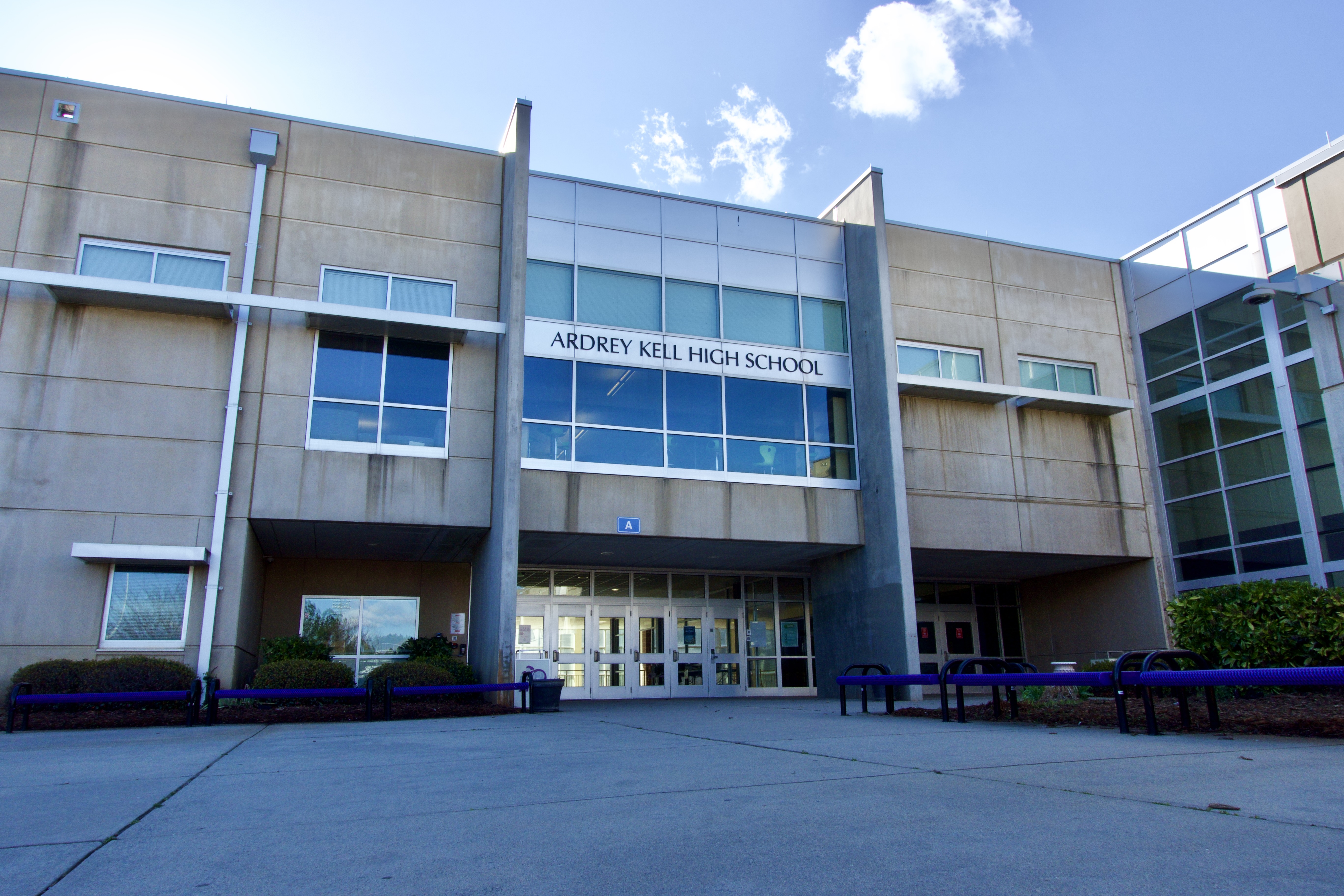
Mecklenburg County schools received less than 3% of their annual budget from the North Carolina Education Lottery in fiscal year 2024. A new state audit shows the lottery's education share has since fallen further, a trend that could squeeze funding for Ballantyne-area campuses including Ardrey Kell High School, Ballantyne Ridge High School and Community House Middle School.
State Auditor Dave Boliek released a performance audit of the lottery in early September. Gross sales climbed from $4.34 billion in fiscal year 2023 to $6.59 billion in fiscal year 2025, according to the Chatham Journal's reporting on the audit. Sales jumped 52%.
But the money transferred to education barely kept pace. The annual transfer rose from $1.015 billion in fiscal 2023 to $1.076 billion in fiscal 2025, an increase of $61 million, or 6%. From fiscal 2024 to fiscal 2025, the transfer actually fell by nearly $16 million even as sales rose $1.21 billion.
Education's cut of lottery revenue dropped from 23.4% in fiscal 2023 to 16.3% in fiscal 2025. State law directs the lottery to transfer at least 38% of revenue to education "to the extent practicable." The lottery has not approached that target in recent years.
The driver: digital instant games
The audit points to digital instant games, mobile slot-machine-style products introduced in November 2023. They generated roughly $2.6 billion in sales in fiscal year 2025, about 40% of total lottery revenue, ABC11 reported. Two years earlier, those games did not exist.
Digital instant games carry payout rates around 87%, meaning most of the money wagered goes back to players as prizes. The audit estimated that $100 spent on Powerball or Mega Millions produces about $39 for education after prizes and expenses. The same $100 wagered on a digital instant game produces about $7.
Prize expenses overall surged by $2.13 billion between fiscal years 2023 and 2025. Roughly 95 cents of every additional dollar in lottery sales during that stretch went to higher prizes. Less than 3 cents went to education.
Among peer states, North Carolina's 16.3% transfer rate ranked near the bottom. Only Virginia, where digital games made up a still-larger share of sales, posted a lower rate at 15.6%. New Jersey, which did not offer digital lottery games, transferred 32.4%.
What it means for Ballantyne schools
Mecklenburg County received $58 million in lottery-funded education distributions in fiscal year 2024, split among school construction, staff, pre-K, scholarships and transportation, Axios Charlotte reported. That amounted to less than 3% of the CMS yearly budget. Lottery dollars help fund construction projects and noninstructional support staff at schools across the district, including those serving Ballantyne families.
Statewide in fiscal 2025, the largest lottery-funded allocations included about $608 million for school construction, $386 million for noninstructional support staff, $78 million for prekindergarten and $46 million for college scholarships.
No updated Mecklenburg County distribution figure for fiscal year 2025 has been published.
What comes next
"If the business climate doesn't allow for it to be close to 38%, then a reset of those expectations is in order," Boliek said, according to ABC11.
North Carolina Education Lottery CEO Mark Michalko said in a written response to the audit that the lottery would review the findings with its commission and meet with General Assembly leaders about possible legislative changes. Michalko said lawmakers should consider whether the 38% statutory target still fits modern lottery products.
Boliek told WFAE on Sept. 9 that the audit raises questions about whether to focus on a percentage outcome, a dollar outcome, or a balance of the two.
No specific legislative hearing or vote on the issue has been scheduled.