Ballantyne residents still under Charlotte Water's drought restrictions could see some relief this winter, as the National Oceanic and Atmospheric Administration (NOAA) projects a wetter-than-usual season ahead.
NOAA's U.S. Winter Outlook, released Oct. 15, calls for wetter-than-average conditions across the southern tier of the country, from the Southwest to the Southeast and along the East Coast. The outlook covers December 2026 through February 2027.
For Charlotte and surrounding communities, that could mean more frequent rain, WCCB Charlotte reported Thursday, Oct. 29. Temperatures may also run milder than usual, though the forecast is less certain on that front.
NOAA's outlook favors warmer-than-average temperatures for "much of the East" but near-normal temperatures for "parts of the Southeast including Florida." WCCB meteorologist Janessa Webb reported that NOAA is leaning toward above-average temperatures for the Carolinas specifically.
El Niño is the main driver. The weather pattern develops when ocean temperatures in the central and eastern Pacific run warmer than usual. During winter months, El Niño often strengthens the jet stream across the southern United States, steering more storm systems into the region, according to WCCB's reporting.
"… A very strong El Nino will likely bring a southward and eastward shift to the jet stream for the contiguous U.S., which tilts the odds toward stormier weather across the South," Ken Graham, director of NOAA's National Weather Service, said in the agency's outlook. Graham added that while extra precipitation may help drought-stricken areas, "too much precipitation on dry soil can fuel destructive flash floods and mudslides."
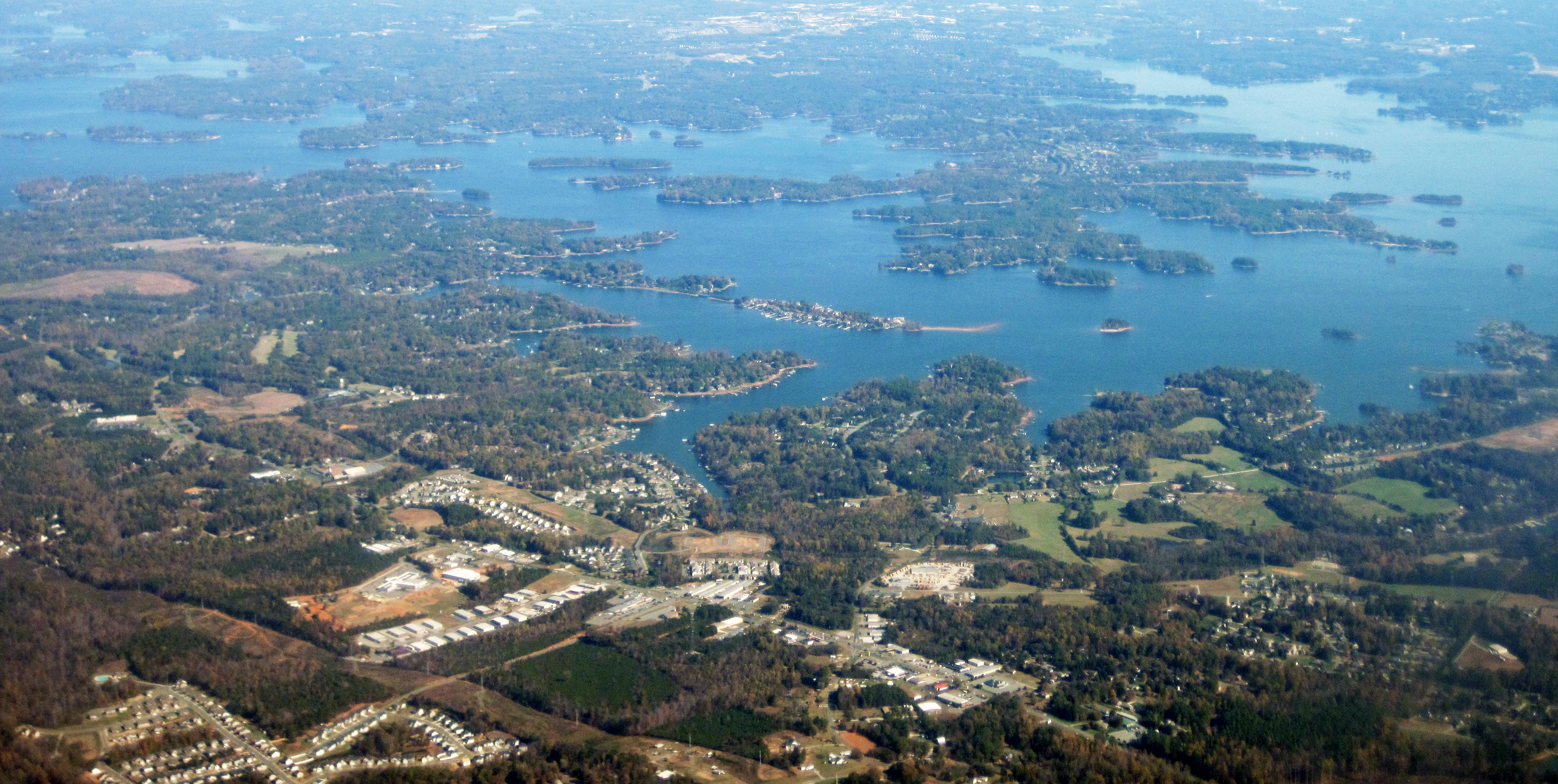
That matters for Ballantyne and the rest of Charlotte. Charlotte Water announced Oct. 15 that mandatory Stage 2 water restrictions remain in effect because six-month average streamflow in the Catawba-Wateree River Basin remains below normal. The restrictions limit outdoor watering, residential car washing, pool filling and decorative water features. Charlotte Water said that while reservoir levels and drought-monitor conditions had improved, streamflow reflects the area's prolonged dry period and recovers more slowly after individual rain events.
NOAA's drought outlook forecasts conditions improving or ending across the Southeast this winter.
Snow is not off the table. A warmer seasonal outlook does not rule out winter weather, WCCB reported. One storm paired with a cold-air supply can still bring snow to the region. But NOAA's seasonal outlook does not project snowfall accumulations; snow forecasts are generally not predictable more than a week out, according to the agency.
NOAA plans to update its three-month outlook on Nov. 19.