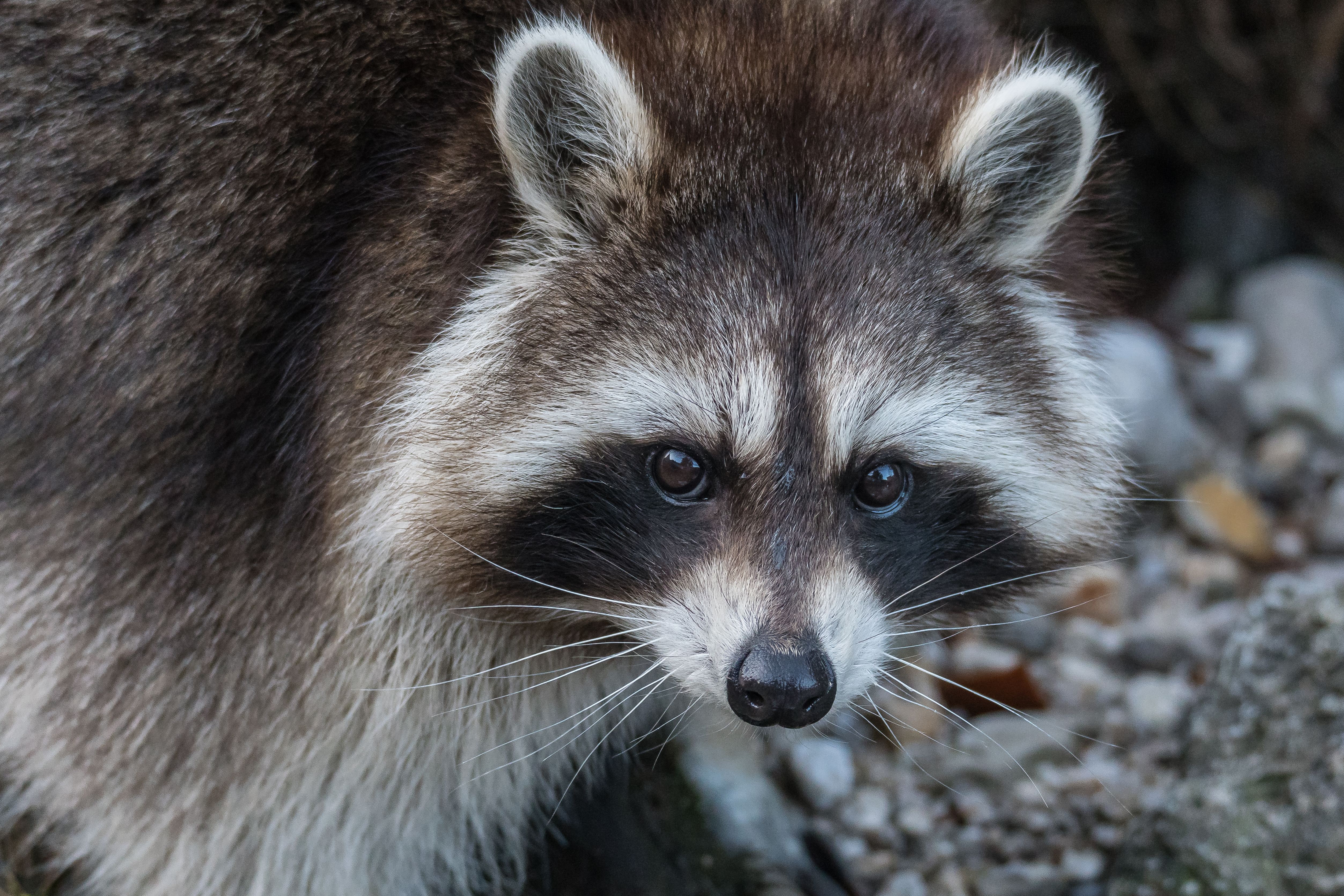
A raccoon near Lynhaven Street in east Charlotte has tested positive for rabies, marking Mecklenburg County's 11th case of 2026.
The county has now matched its total for all of 2025 with two months still remaining in the year, according to Queen City News.
Charlotte-Mecklenburg Animal Care & Control confirmed one pet was exposed to the raccoon. No humans were exposed.
The case is the fourth rabid raccoon found in Mecklenburg County this year. Raccoons are now tied with bats as the most common rabies-positive animal in the county in 2026, Queen City News reported.
The confirmation comes days after a separate rabid raccoon was found near Darby Chase Drive in south Charlotte, which we reported Oct. 23. In that earlier case, one domestic pet was also exposed and no humans were affected, according to WSOC-TV.
Rabies is a deadly viral disease affecting the central nervous system, according to Mecklenburg County's rabies control guidance. It can be prevented through vaccination after exposure but cannot be cured. A healthy animal or human can contract the virus through a bite, lick or scratch from an infected animal.
North Carolina law requires dogs, cats and ferrets to carry current rabies vaccinations. The county's guidance advises pet owners whose animals encounter wildlife to put on gloves before touching their pet, isolate the animal from other pets and children, and contact a veterinarian for a rabies booster right away. Owners who find tooth puncture marks on a pet that has been outside alone should seek a booster immediately.
The county's rabies control page urges parents to teach children to stay away from unfamiliar animals, including wildlife. A rabid wild animal may appear tame.
Residents who spot a raccoon or other animal acting sick or behaving abnormally, such as a raccoon active during daylight hours, should call Animal Care and Control at 311. Anyone with questions about potential human rabies exposure can call Mecklenburg County Communicable Disease at 980-314-9201.