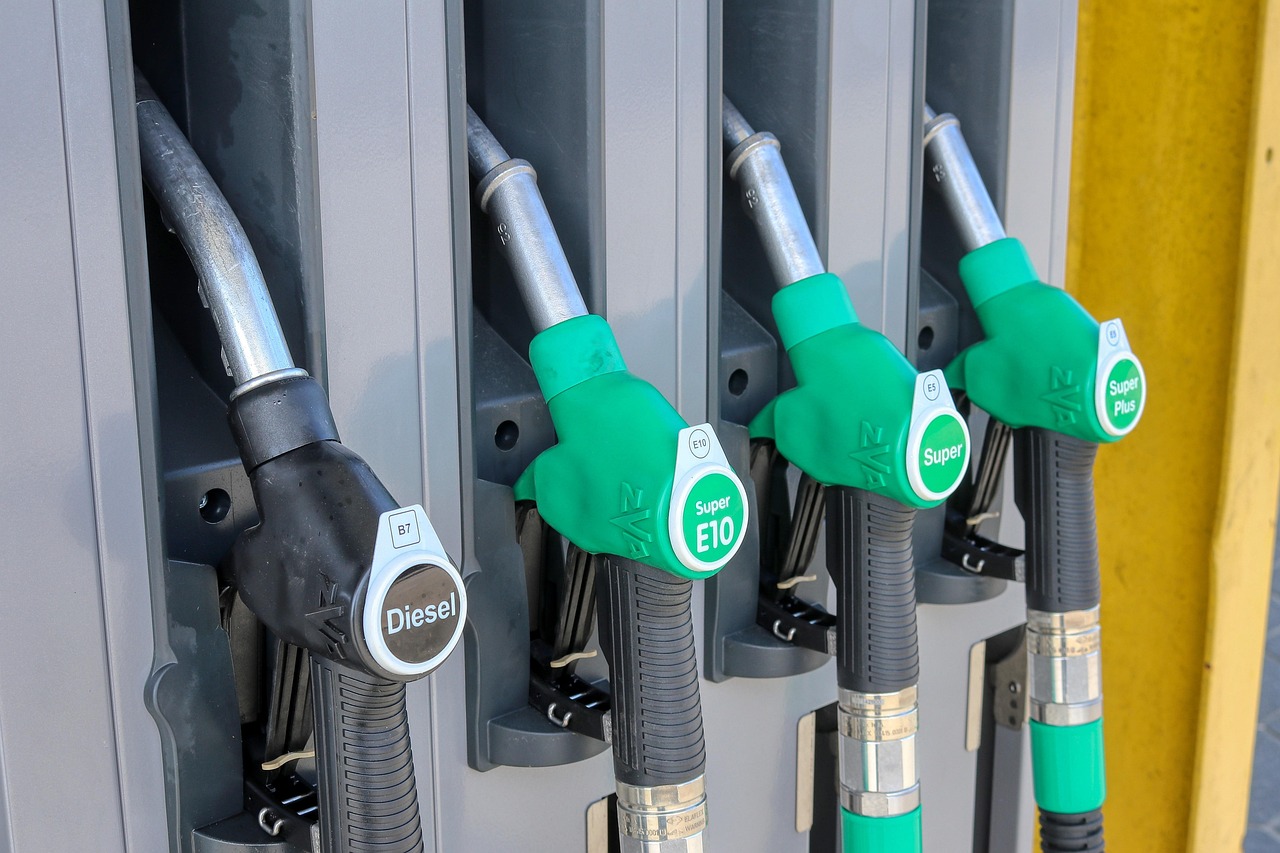
Diesel fuel hit a record national average of $6.05 per gallon on Friday, Sept. 11, and North Carolina drivers are paying $5.92, according to AAA.
The price spike affects the trucks that stock shelves across the Charlotte region, including Ballantyne retail centers like Blakeney, Waverly and Stonecrest. Diesel powers much of the nation's freight network, moving products from ports and warehouses to stores.
Queen City News reported that the national average jumped from $5.85 the prior week and roughly $3.70 at the same time last year. North Carolina's 41-cent-per-gallon diesel tax adds to the burden, according to The Center Square.
AAA spokesperson Tiffany Wright said the surge was surprising because fuel prices often ease after Labor Day.
"You don't need to panic, but at the same time, you do need to pay attention to diesel prices because it's the backbone of our supply chain here in America," Wright told Queen City News.
Wright attributed the increase to global oil market uncertainty and volatility in the Strait of Hormuz.
How it reaches the grocery aisle
Fuel accounts for 15% to 30% of the total cost of food, according to the Independent Grocers Alliance (IGA). A sustained 10% to 15% increase in fuel prices could push retail food prices up 2% to 4%, the IGA estimated, as TIME reported.
Perishable items face the steepest pressure. Meat, produce, seafood and dairy require frequent, temperature-controlled deliveries, and those costs are rising. In July, U.S. seafood prices were up 7% year over year and fresh fruit prices rose 4.9%, according to data the Associated Press cited through WUNC.
David Ortega, a professor of food economics and policy at Michigan State University, told WUNC the full impact takes time to arrive. Early cost increases get absorbed through existing freight contracts and retailer margins, Ortega said, but as those contracts reprice and fuel surcharges take hold, more of the cost reaches store shelves.
Shipping surcharges already rising
UPS raised its domestic ground fuel surcharge from 27.5% to 28.5% for the week of Sept. 14, according to TIME. Amazon added a 3.5% fuel and logistics surcharge on U.S.-based third-party sellers earlier in 2026.
Those surcharges affect online orders and small businesses alike. Anthony Arcoria, president of Great Lakes Petroleum, a wholesale fuel supplier serving trucking and construction companies in the region, said the industry did not foresee the spike. Arcoria told Queen City News that expenses have climbed sharply and his company has focused on operating more efficiently to keep serving customers.
Arcoria said the months ahead could bring more pressure as winter heating demand increases.
What's ahead
The consumer price index rose 3.4% in August compared with a year ago, according to the Labor Department. S&P Global Energy said on Thursday, Sept. 10, that it does not expect Middle East crude oil production to return to prewar levels by the end of 2027.